Brixton Market bulky rubbish collection tips for traders
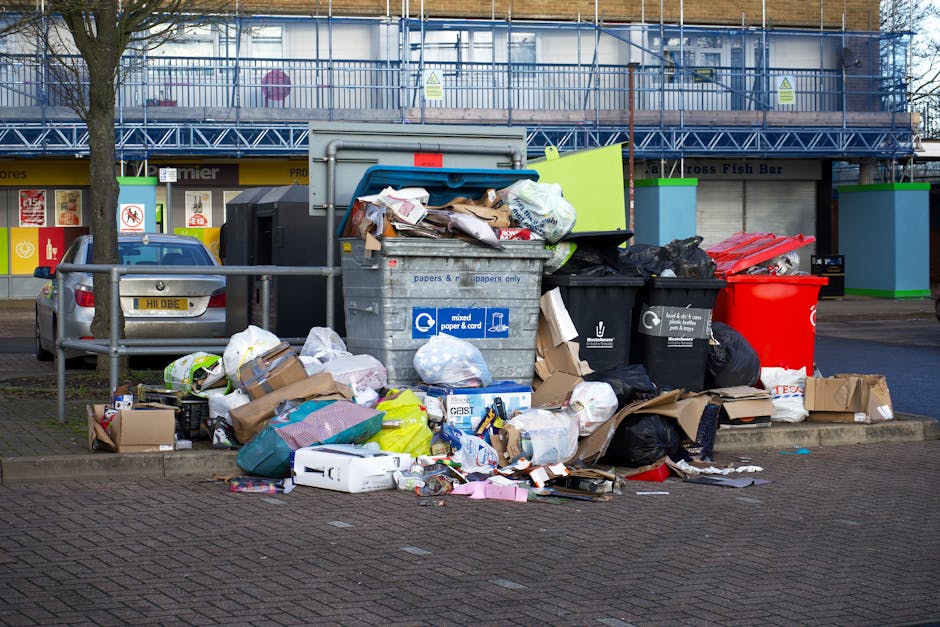
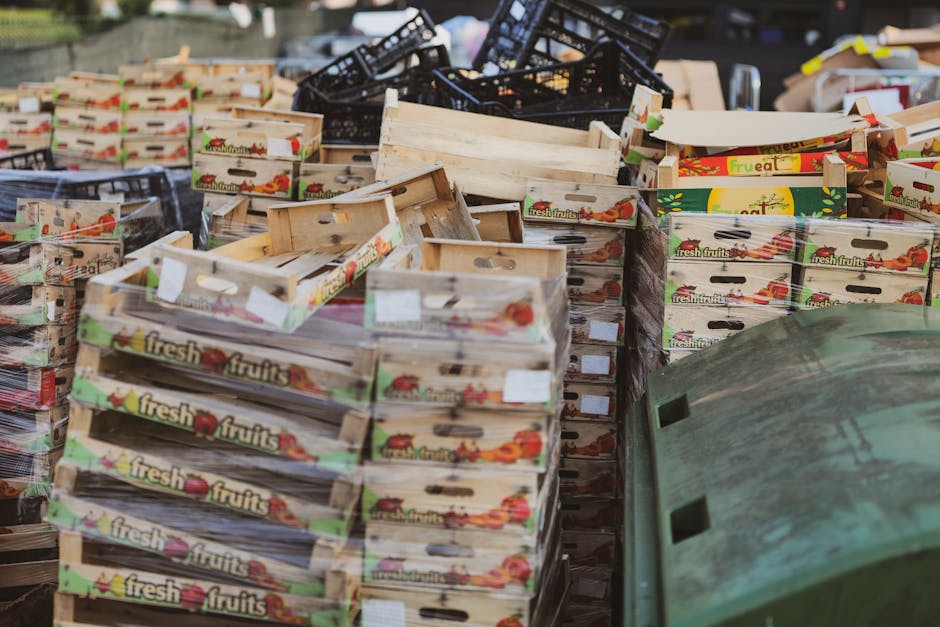
If you trade at Brixton Market, you already know the rhythm: stock comes in, packaging builds up, display materials wear out, and then, somehow, the back area fills faster than you planned. Brixton Market bulky rubbish collection tips for traders are really about staying ahead of that pile-up before it becomes a problem for your pitch, your neighbours, or your trading day. A broken crate, a flat-pack display board, a damaged parasol base, a worn trolley, or a stack of oversize cardboard can turn into an awkward obstacle very quickly.
This guide breaks the job into practical steps. You will get a simple way to plan bulky waste removal, reduce costs, avoid mess, and keep your stall running smoothly. There is no fluff here, just the sort of advice that helps on a busy market morning when you've got customers arriving and not much time to spare.
For traders who need broader support with waste management around the capital, it can also help to understand the bigger picture of waste collection services in London, especially when bulky items are part of a wider clearance pattern rather than a one-off job.
Table of Contents
- Why Brixton Market bulky rubbish collection tips for traders Matters
- How Brixton Market bulky rubbish collection tips for traders Works
- Key Benefits and Practical Advantages
- Who This Is For and When It Makes Sense
- Step-by-Step Guidance
- Expert Tips for Better Results
- Common Mistakes to Avoid
- Tools, Resources and Recommendations
- Law, Compliance, Standards, or Best Practice
- Options, Methods, or Comparison Table
- Case Study or Real-World Example
- Practical Checklist
- Conclusion
- Frequently Asked Questions
Why Brixton Market bulky rubbish collection tips for traders Matters
Bulky rubbish is not just "stuff to get rid of". In a market setting, it affects movement, presentation, customer experience, and sometimes even safety. One awkwardly placed item can block access behind a stall, make loading harder, or create a trip hazard for staff carrying crates in a hurry. Let's face it, markets run on tight space. There is very little room for waste to sit around and "wait till later".
For traders at Brixton Market, bulky waste often appears in predictable bursts: after a seasonal refresh, when a display changes, after equipment breaks, or when stock packaging arrives in awkward sizes. The problem is not only volume. It is shape, weight, and timing. A few large items can be harder to manage than a whole bag of smaller rubbish because they do not stack neatly and can be difficult to move without proper planning.
Good collection habits also help you look organised and professional. Customers notice the difference, even if they do not say it out loud. A tidy pitch quietly suggests that the trader is on top of stock, hygiene, and operations. That matters in a place as active and visible as Brixton.
And there is a simple truth here: the earlier you plan, the less the waste costs you in time and stress.
How Brixton Market bulky rubbish collection tips for traders Works
At its core, bulky rubbish collection is about separating large, awkward waste from everyday market rubbish and arranging for it to be removed in a way that fits your trading pattern. The process is usually more effective when you treat bulky waste as a planned activity rather than a last-minute clean-up.
For traders, that usually means looking at four things:
- What the item is - for example, broken shelving, packaging pallets, damaged signage, or old equipment.
- How much space it takes up - because size affects storage, movement, and vehicle access.
- How often it appears - one-off items are easier to deal with than recurring overspill.
- When it can be collected - ideally outside peak customer hours and in line with market operations.
In practice, a trader might fold down cardboard in the morning, separate reusable materials, then stage one or two large items for removal before the next busy wave begins. Another trader may need a more structured approach, especially if the business has regular fit-out waste, deliveries on pallets, or frequent display changes.
Bulky waste can also sit between ordinary trade waste and specialist clearance. That is where confusion often starts. If a broken wooden counter is too large for standard bins, it may need a separate collection route. If old stock fixtures are metal, they may be better handled differently from mixed waste. A little sorting upfront saves a lot of awkward shuffling later.
To be fair, market traders often become experts at improvising. But bulky waste is one area where improvisation can turn messy fast.
Key Benefits and Practical Advantages
When bulky rubbish is handled well, the benefits show up in several quiet but meaningful ways.
- Cleaner stall presentation: customers see the selling space, not the overflow.
- Safer working conditions: fewer obstructions, fewer slips, fewer collisions with heavy items.
- Less operational stress: staff are not constantly moving waste out of the way.
- Better use of space: in a market, every square metre counts.
- Faster end-of-day pack down: because bulky items are already planned for.
- More predictable costs: planned removals are usually easier to budget for than emergency clearances.
There is another benefit people overlook: reputation. A market trader who keeps their pitch clear and tidy is often easier to work with. If your neighbours know you will not leave a pile of broken fixtures in the shared walkway, that goes a long way. Small thing, big effect.
For traders with more regular waste output, building a routine can also support wider site management. If your business sits alongside hospitality, fresh produce, retail, or mixed-use operations, the logic is similar: a consistent approach is usually better than patching problems one by one. If that sounds familiar, you may find it useful to compare bulky waste planning with broader clearance options for larger items when a simple collection is no longer enough.
Who This Is For and When It Makes Sense
This guidance is especially useful if you are:
- a market trader with regular packaging build-up
- a stallholder replacing fixtures, shelving, or signage
- a trader doing a seasonal reset or stock-room clear-out
- a business handling mixed bulky waste and normal trade waste
- someone responsible for managing waste on behalf of a market unit or small retail space
It makes sense any time waste is too large, too awkward, or too risky for a standard bin route. That might be after deliveries, after a refit, after equipment failure, or before a new trading season. It can also make sense if your normal waste process has started to feel "just about manageable" rather than properly under control. That phrase is usually a warning sign, by the way.
Some traders only need a one-off collection after a broken item or a refit. Others need a recurring routine because they regularly generate larger waste streams. Neither is wrong. The real question is whether your current setup matches your actual day-to-day trading.
If you are constantly dragging waste around at closing time, or parking big items behind the stall "for now", this section is for you. It's probably time to tidy the process rather than keep wrestling with it.
Step-by-Step Guidance
Here is a practical way to organise bulky rubbish collection without overcomplicating it.
1. Identify what needs removing
Walk the pitch or storage area slowly and list the bulky items. Do not just glance and guess. A damaged board, a torn banner frame, a broken crate, or a folded display stand can each need slightly different handling. If something can be reused, repaired, or stripped down, note that before it becomes waste.
2. Separate bulky waste from ordinary rubbish
Do not mix large items with bagged waste if you can avoid it. Separation makes collection easier and helps keep the area safer. Cardboard, wood, metal, plastic, and mixed materials may all behave differently once they are piled up. Mixed waste is usually the least graceful option. It looks messy, weighs oddly, and is harder to move.
3. Check access and timing
Think about when bulky items can be moved without blocking the busiest parts of the market. Early morning or after trading hours may be best, depending on the site setup. Also check how the item will get from the stall to the collection point. If you cannot move it safely by hand, you may need a trolley, dolly, or two-person lift.
4. Reduce the waste where you can
Break down cardboard, flatten packaging, dismantle safe-to-separate parts, and remove reusable fittings. A little reduction at source often makes a surprisingly big difference. One market trader can turn a pile into a neat stack in ten minutes. Another can spend half an hour trying to move an unwieldy lump that should have been split apart first.
5. Choose the right collection method
Decide whether the job is small enough for a one-off collection, whether you need a regular arrangement, or whether the waste is too mixed and bulky for the current setup. The right method depends on how often the waste appears and how much labour you are willing to spend managing it.
6. Stage the waste neatly
Place items where they will not block walkways, exits, loading points, or customer routes. Keep similar materials together if possible. Staging waste neatly sounds obvious, but you would be surprised how often this step gets skipped when the stall is busy and everyone is trying to leave at once.
7. Review what happened after collection
After the waste has gone, take two minutes to ask: what caused the pile-up, and how could it be reduced next time? That tiny review is where better habits start. Was the packaging too large? Did a delivery arrive too late? Did old stock sit around too long? One small change can stop the same problem repeating next week.
That is the whole game, really. Not perfection. Just a process that works.
Expert Tips for Better Results
Here are a few practical tips that tend to make the biggest difference for traders.
- Build waste handling into opening and closing routines. If you only think about bulky rubbish at the end of a long day, you will always feel behind.
- Use the right container or staging area. A clean corner, crate stack, or marked spot is better than a random pile.
- Train staff on what counts as bulky waste. Not everyone has the same idea of "manageable".
- Keep reusable materials separate. Some items can be stored for return, repair, or reuse instead of becoming waste straight away.
- Do not let one awkward item become three. Once waste starts spilling into the wrong area, it multiplies. Strange but true.
- Plan around delivery days. Waste and deliveries competing for the same bit of space is a classic headache.
Another useful habit is to standardise your packaging and fixtures where possible. If the same type of display board, crate, or storage unit is used across the pitch, you will have fewer odd-shaped leftovers. Consistency may sound dull, but it works. Usually because it reduces surprises, and surprises are what make waste jobs annoying.
Also, don't underestimate the value of a quick daily reset. Five minutes can save thirty. Sometimes more.
Common Mistakes to Avoid
Most waste problems at market level are not dramatic. They are just small mistakes repeated often enough to become a nuisance.
Leaving bulky items until the end of the week
This is the big one. A single item becomes three. Three items become a blockage. Then everybody is stepping around it.
Mixing materials without thinking
Cardboard, wood, metal, and general rubbish often need different handling. When everything gets thrown together, collection becomes slower and messier.
Underestimating how heavy an item is
Something can look light and still be awkward as anything once you lift it. Weight distribution matters, especially with long or uneven items.
Blocking customer or staff routes
Even for a short time, this can create avoidable risk. It also makes the pitch look rushed and unorganised.
Not checking collection timing
If waste is placed out at the wrong time, it can sit around too long or cause access issues. Timing is part of the job, not a nice extra.
Failing to plan for repeat waste
One-off collections are fine for one-offs. But if bulky waste happens regularly, you need a better system, not a string of rescue missions.
A good rule of thumb: if your waste plan keeps relying on "we'll sort it later", it probably needs sorting now.
Tools, Resources and Recommendations
You do not need a huge kit to manage bulky rubbish properly, but a few practical tools make life easier.
- Heavy-duty sack trolley or hand truck: useful for moving awkward items safely.
- Cut-resistant gloves: helpful when dealing with broken edges, staples, or rough packaging.
- Box cutter or safety knife: for breaking down cardboard and packaging cleanly.
- Reusable straps or bungees: useful for securing stacked items during movement.
- Clear labels or marker pens: simple, but very handy for sorting items that need to be kept separate.
- Designated waste staging area: often the most valuable "tool" of all.
In terms of approach, the best recommendation is to keep your bulky waste process simple enough to repeat. Overly clever systems often collapse when the market gets busy, which, to be fair, happens all the time. A good setup should work on a rainy Monday as well as on a packed weekend trading day.
If your business needs more than a one-off tidy-up, it may also help to look at more structured disposal planning for regular waste streams, especially where bulky rubbish overlaps with packaging, organic waste, or back-of-house storage issues.
Law, Compliance, Standards, or Best Practice
Waste handling in the UK comes with responsibilities, and traders should treat bulky rubbish carefully rather than casually. The exact obligations can vary depending on the site, the waste type, and the arrangements in place, so it is wise to check the expectations that apply to your stall, unit, or lease. If you are unsure, ask the site operator or a qualified waste provider before moving ahead.
As a general best practice, keep waste separate where practical, make sure it is stored safely, and avoid leaving items where they could create hazards or obstruct public areas. That sounds basic, but in a busy market, basic is what keeps things moving.
You should also be cautious about what counts as bulky rubbish. Some items may be accepted as general waste, while others may need specialist handling because of weight, material, contamination, or condition. For example, a clean wooden shelf is not the same as a damaged item with metal fittings, or a piece of equipment containing electrical parts. If there is any doubt, treat it as a check-first situation.
From a practical standpoint, good compliance means three things:
- you know what you are throwing away,
- you store it safely until removal,
- you use a collection method that suits the item.
That is the sensible standard. No drama, just due care.
Options, Methods, or Comparison Table
Different traders need different collection methods. Here is a simple comparison to help you choose the most realistic option.
| Method | Best for | Pros | Watch-outs |
|---|---|---|---|
| One-off bulky collection | Occasional large items, broken fixtures, seasonal clear-outs | Simple, flexible, ideal for irregular waste | Can become inefficient if used too often |
| Regular scheduled removal | Traders with predictable bulky waste | Stable routine, easier planning, less clutter | Needs consistent volumes to justify it |
| DIY staging for later pickup | Small volumes and organised sites | Low effort upfront, useful for short-term storage | Only works if space and timing are controlled |
| Combined clearance with other waste types | Refits, stock changes, larger housekeeping jobs | Efficient when several waste streams appear together | Needs careful sorting and clear instructions |
For many Brixton Market traders, the sweet spot is somewhere between one-off and scheduled. Not too rigid, not too vague. If your waste patterns change across the week, choose a method that can flex a bit without becoming chaotic.
Case Study or Real-World Example
Imagine a trader who sells homeware and seasonal display goods. After a busy weekend, they end up with broken cardboard stands, a damaged shelf panel, three oversized delivery boxes, and a cracked storage crate. None of it is huge on its own. Put together, though, it fills the back corner and makes restocking a pain.
At first, they leave the items by the side because the morning is rushed. By midday, staff are stepping around them, deliveries are harder to unload, and the pitch feels cramped. The next week, they try a more organised approach. They flatten cardboard immediately, separate the reusable crate, stack the shelf panel safely, and set a fixed spot for bulky waste that will be collected after closing.
The difference is not dramatic in the cinematic sense. No trumpets. No miracle. But the stall feels calmer, movement is easier, and the closing routine finishes faster. The trader also stops forgetting about small items that were "only temporary" for three days, which, honestly, happens all the time.
That is the real lesson: better bulky waste handling does not have to be complicated to be effective.
Practical Checklist
Use this checklist before your next collection or clear-out.
- Identify every bulky item that needs removing.
- Separate reusable items from true waste.
- Break down safe-to-dismantle packaging and cardboard.
- Check whether the item is heavy, sharp, or awkward.
- Confirm the safest route from stall to collection point.
- Keep walkways, exits, and customer routes clear.
- Store waste neatly and in one designated area.
- Match the collection timing to market activity.
- Use the right equipment for lifting or moving items.
- Review what caused the waste so you can reduce it next time.
Practical summary: the best Brixton Market bulky rubbish collection tips for traders are the ones you can repeat on a busy day without thinking too hard. Sort early, stage neatly, move safely, and do not let bulky waste sit around longer than it needs to. Simple sounds dull. Simple also works.
Conclusion
Bulky rubbish is part of trading life, especially in a fast-moving market environment like Brixton. But it does not have to control your pitch, your time, or your nerves. With a straightforward routine, the right timing, and a bit of discipline around sorting and staging, you can keep your space clearer and your day much easier to run.
The main thing is to treat bulky waste as a normal part of your operation, not an emergency every time something breaks or needs replacing. Once that mindset shifts, the rest becomes more manageable. And honestly, you will feel the difference pretty quickly.
If you are weighing up the best approach for your stall, start with the simplest method that keeps things safe, tidy, and reliable. Then build from there. Small improvements add up.
Get a free quote today and see how much you can save.
Frequently Asked Questions
What counts as bulky rubbish for Brixton Market traders?
Bulky rubbish usually means items that are too large, awkward, or heavy for normal bin disposal. For traders, that can include broken shelving, display boards, crates, packaging pallets, signage, or damaged fixtures.
How often should traders arrange bulky rubbish collection?
It depends on how quickly bulky items build up. Some traders only need an occasional one-off collection after a refit or seasonal change, while others benefit from a regular routine if waste appears every week.
Can bulky waste be left outside the stall until later?
Only if it is allowed and stored safely. In practice, leaving bulky waste out too long can block access, create hazards, and make the stall look untidy. The safer habit is to remove or stage it as soon as possible.
Should cardboard be treated as bulky rubbish?
Sometimes yes, sometimes no. Flattened cardboard is often easier to handle as standard waste, but large amounts, oversized boxes, or rigid packaging can become bulky very quickly.
What is the safest way to move heavy items at a market?
Use the right handling equipment, avoid awkward solo lifts, and plan the route before moving anything. If an item looks unstable, too heavy, or sharp-edged, get help. No point being brave for no reason.
How can traders reduce bulky waste in the first place?
Buy packaging that is easier to break down, reuse display materials where possible, and store items in a way that avoids damage. Small changes in stock handling often prevent larger waste problems later.
Is it better to schedule bulky collections or use one-off removals?
That depends on how predictable your waste is. One-off removals work well for occasional clear-outs, while scheduled collections suit traders with regular bulky waste or fixed trading routines.
What should I do with mixed materials like wood and metal?
If possible, separate them before collection. Mixed materials are harder to handle and may need a different removal approach. If separation is not practical, describe the waste clearly before arranging pickup.
Do traders need to think about compliance for bulky waste?
Yes. Waste storage, handling, and disposal should be managed responsibly, and the exact expectations may depend on your site arrangements. If there is any uncertainty, check before moving waste out.
How can I stop bulky rubbish affecting customers?
Keep it away from front-facing areas, avoid blocking walkways, and plan collection around trading patterns. A neat back-of-stall area makes the whole pitch feel calmer and more professional.
What is the biggest mistake traders make with bulky rubbish?
Probably waiting too long. Small items become a pile, then a pile becomes a problem. Once that happens, everything takes longer than it should, and the stall starts feeling cramped.
Who should I contact if the waste is too much for a normal collection?
If the waste is beyond your usual setup, speak to a suitable waste provider or the person responsible for site management. The safest answer is usually to ask early rather than hope it sorts itself out.
At the end of the day, good waste habits make the whole market day feel lighter. A clear pitch, a clear plan, and one less thing to worry about - that's a decent trade-off, isn't it?