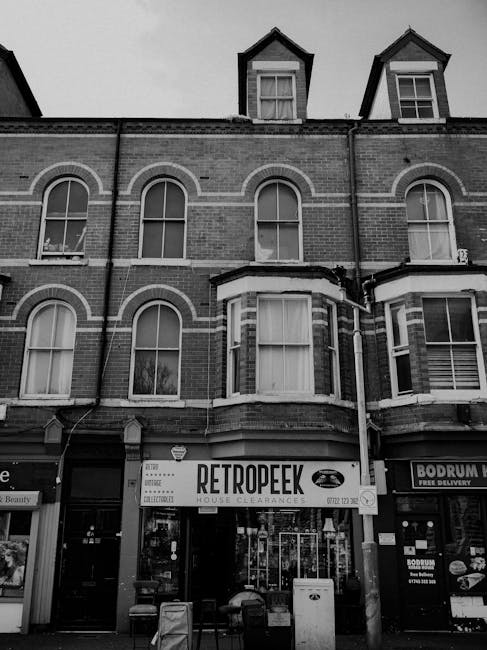
Streatham High Road house clearance and rubbish removal: a practical local guide
If you are dealing with a packed flat, a house that needs emptying, or a stubborn pile of mixed waste on Streatham High Road, you are probably trying to solve two problems at once: get the place clear and do it without stress. That is exactly where Streatham High Road house clearance and rubbish removal becomes useful. It covers everything from removing old furniture and bagged rubbish to clearing garages, lofts, and full properties that need a proper reset.
Truth be told, most people do not start out looking for a clearance service. They just reach a point where the spare room has become storage, the hallway is cluttered, or a move-out deadline suddenly appears. When that happens, the real value is not just a van and a few strong arms. It is a process that is organised, respectful, and quick enough to keep life moving.
This guide explains how clearance and waste removal works on and around Streatham High Road, what to expect, what to avoid, and how to choose the right kind of service for your situation. You will also find a checklist, a comparison table, and answers to the questions people ask most often before booking.
Table of Contents
- Why Streatham High Road house clearance and rubbish removal matters
- How Streatham High Road house clearance and rubbish removal works
- Key benefits and practical advantages
- Who this is for and when it makes sense
- Step-by-step guidance
- Expert tips for better results
- Common mistakes to avoid
- Tools, resources and recommendations
- Law, compliance, standards, or best practice
- Options, methods, or comparison table
- Case study or real-world example
- Practical checklist
- Conclusion
- Frequently asked questions
Why Streatham High Road house clearance and rubbish removal matters
Streatham High Road is busy, lived-in, and a little bit unpredictable in the best and worst ways. Flats above shops, shared houses, family homes, storage-heavy basements, garden access that is not always straightforward - it all adds up. A proper clearance service matters here because the job is rarely just "take the stuff away". It is about managing access, timing, neighbours, parking, and the practical reality of removing bulky items without turning the day into chaos.
House clearance becomes especially important when a property is changing hands, a tenancy is ending, or you are helping a relative downsize. In those situations, there is usually a mix of items: furniture worth keeping, items for donation or recycling, and things that simply need to be collected and disposed of responsibly. The same applies to rubbish removal after a clear-out, DIY work, or a long-overdue sort-out. One job often leads to another, which is why a service like house clearance can be more practical than trying to tackle everything room by room.
There is also a real local convenience factor. On a road like Streatham High Road, you do not want waste sitting outside for long. It looks untidy, can block access, and may create awkward moments with neighbours or passers-by. If you have ever stood beside a pile of dismantled wardrobes at 7.30 in the morning thinking, "Well, this is my Saturday now," you will understand the appeal of a fast, organised removal.
Just as important, clearance done badly can create avoidable problems: missed items, damaged walls, fly-tipping risk, or disposal issues. A sensible, well-planned service helps you avoid that. It also gives you back time, which is often the most valuable thing of all.
How Streatham High Road house clearance and rubbish removal works
The process is usually simpler than people expect, although the details matter. A good clearance begins with understanding what needs to go, what should stay, and whether there are any access constraints. For example, a first-floor flat above a parade of shops is a very different job from a ground-floor maisonette with a clear path to the street.
In practice, house clearance and rubbish removal tends to follow a fairly straightforward flow:
- Assessment. You identify the items, rooms, or areas to be cleared. Some services can work from photos, while others may need a quick site visit for larger or more complex jobs.
- Sorting. Items are separated into categories such as reusable furniture, recyclable materials, general rubbish, and specialist waste.
- Quotation. The price normally reflects volume, labour, access, and waste type. Heavier or awkward items can take longer, so they are usually priced accordingly.
- Removal. The team loads everything safely, trying to minimise disruption inside the property and outside on the road.
- Disposal and onward handling. Waste is taken to the appropriate facility or recycling route. Reusable items may be redirected where suitable.
For smaller jobs, you might only need a quick rubbish removal visit or a more flexible rubbish collection service. For bigger clear-outs, the job may overlap with home clearance, flat clearance, or even a full property clearance.
One small but useful detail: good clearances are usually planned around the hardest item first. A mattress, wardrobe, or sofa can dominate the whole job if you leave it until the end. Clear that out early, and the rest often becomes much easier. Sounds obvious, but in the field, the obvious things are often the ones that save the most time.
Key benefits and practical advantages
The biggest benefit is simple: you get space back. But there is more to it than that. A well-managed clearance can reduce stress, improve safety, and make the next step easier whether that is moving, selling, refurbishing, or simply breathing again in your own home.
Here are the main advantages people usually notice:
- Faster turnaround. What might take you several weekends can often be done in one planned visit.
- Less physical strain. Lifting bulky furniture down stairs or through narrow hallways is no joke, especially in older properties.
- Cleaner handover. This is particularly useful for landlords, tenants, sellers, and estate agents working to a deadline.
- Better sorting of waste. Mixed loads can be separated into recyclable and non-recyclable material where possible.
- Reduced risk of damage. Professional handling helps protect walls, floors, stair rails, and communal areas.
- Peace of mind. You know where everything has gone, which matters more than people think.
For some people, the real win is emotional. Clearing a late relative's home, for example, is not just a logistical task. It can be a proper life moment, messy and a bit tiring, and it helps to have it handled with care. A respectful home clearance service can make a hard day feel manageable rather than overwhelming.
And if you only need a few items removed - say a broken wardrobe, a sofa, or some worn-out garden furniture - a targeted service such as sofa removal or furniture disposal may be the cleaner, more economical route.
Who this is for and when it makes sense
This type of service suits a wide range of people, and not only those with a huge amount of clutter. Sometimes it is the smaller jobs that create the most friction. A few examples:
- Homeowners who are preparing for a sale, renovation, or loft conversion.
- Tenants who need a fast end-of-tenancy clear-out and do not want to lose time at the last minute.
- Landlords and letting agents handling left-behind items after a move-out.
- Families downsizing or emptying a property after a change in circumstances.
- Tradespeople who need builders' waste or leftover materials removed after a project.
- Small businesses clearing an office, stockroom, or back room that has become storage-heavy.
It also makes sense if the property is awkward to access. Streatham High Road properties often come with stairs, shared entrances, limited waiting space, and the usual London parking realities. When a job has more friction than you want to deal with, a planned clearance becomes less of a luxury and more of a practical fix.
For very specific jobs, it helps to match the service to the waste type. A garage packed with old tools and broken boxes might suit garage clearance. A neglected outdoor area may need garden clearance. Office moves are often better handled through office clearance. Different jobs, different rhythm.
Step-by-step guidance
If you want the smoothest possible result, it helps to think of the job in stages. The clearer your plan, the less likely you are to face delays or surprise costs. Here is a practical approach.
1. Walk through the property and make three piles
Keep, remove, and unsure. That last pile is where people usually get stuck, so set a timer if you need to. If something has sat unused for two years and you had to dust it to remember what it was, it is probably not essential. Harsh, but useful.
2. Identify any items that need special handling
Some things can be straightforward but awkward: large wardrobes, heavy sofas, broken white goods, garden rubble, or mixed builders' waste. If you are clearing after repairs or decorating, you may also need builders' waste handling rather than a general household collection.
3. Check access and timing
Look at stairs, lift access, parking, loading space, and any building rules. On busy streets, timing matters. Early starts are often easier, though that may mean hearing the first delivery lorries or the shop shutters rattling up as you work.
4. Book the right type of service
Choose a service that suits the scope. A small bag-and-bulk collection is not the same as a full property clear-out. If you are dealing with mixed waste, ask for the most suitable disposal route rather than assuming everything belongs in one category.
5. Separate valuables and personal documents before collection
This is a big one. Check drawers, jacket pockets, behind furniture, and under beds. People are often surprised by what turns up. Keys, photos, paperwork, even old SIM cards. It happens more often than you would think.
6. Make sure the final sweep is truly final
Do one last slow look around. Check loft hatches, cupboard tops, and the back of sheds or garages. The room always looks emptier after the first pass, but the second pass is where the small stuff disappears.
Expert tips for better results
There are a few habits that make the whole thing easier, and they are not complicated. They just tend to be the difference between a smooth clearance and a slightly frazzled one.
- Photograph the rooms first. This helps you keep track of what was there and gives a useful reference if you are managing the job remotely.
- Group similar items together. Put furniture in one area, bagged waste in another, and fragile keepsakes somewhere safe.
- Keep walkways open. Clear a route from the front door to the main load-out point so the team can move safely.
- Be realistic about sentimental items. Not everything needs to be decided on the spot, but keep a hard boundary for the things you truly want to keep.
- Ask how mixed waste is handled. Reputable operators should be able to explain their process in plain English.
One useful local tip: if you are clearing a property near Streatham High Road, plan for the street outside as carefully as the rooms inside. A clean, uncluttered entrance saves time and keeps things calm, especially if neighbours are coming and going.
And yes, it helps to have strong tea on standby. Not essential, but weirdly effective.
Common mistakes to avoid
Most clearance headaches come from avoidable mistakes rather than the job itself. A few stand out time and again.
- Leaving everything until the last day. That is when decisions get rushed and things go missing.
- Underestimating volume. A single room of loose items can fill a van faster than people expect.
- Not checking what is included. Always clarify whether labour, loading, and disposal are all part of the same service.
- Forgetting access issues. Stairs, restricted parking, and awkward item sizes matter. Quite a lot, actually.
- Mixing rubbish with valuables. The bin bag labelled "misc" is the classic place where regret lives.
- Choosing purely on price. Cheapest is not always best if the job needs care, speed, and proper disposal.
Another mistake is assuming every clearance is the same. It is not. Clearing a mostly empty flat with a few bulky items is very different from handling years of accumulated household contents. If you need a fuller service, look at the scope carefully and consider whether house clearance or a more general waste removal approach makes more sense.
Tools, resources and recommendations
You do not need a toolbox full of specialist gear, but a few simple tools and habits help a lot. In the real world, the best preparation is usually a mix of common sense and a decent marker pen.
- Strong bin bags and boxes. Useful for separating loose items before the clearance day.
- Marker labels or sticky notes. Great for marking keep, donate, and remove piles.
- A tape measure. Helpful if you are checking whether a large item can actually get through the stairwell or hallway.
- Protective gloves. Especially useful for lofts, garages, and long-unused storage spaces.
- Phone photos. A quick set of images can make planning and communication much easier.
For people sorting items that are no longer needed but may still be reusable, a dedicated service such as waste clearance can be useful, especially when the load is mixed and not quite a simple bin run. If the job is more about moving a general pile from one place to another, rubbish clearance may be the cleaner fit.
When the job involves liquid waste, contaminated items, or anything unusual, stop and ask for guidance. Better to pause than to guess. That goes double for anything sharp, heavy, or potentially hazardous.
Law, compliance, standards, or best practice
It is wise to be careful here. Waste handling in the UK is not something to shrug at. Even for a straightforward domestic clear-out, the person arranging disposal should think about whether the waste is being transferred responsibly and whether the contractor is operating properly. In plain terms: you want the waste to end up where it should, not dumped somewhere it should not be.
Good practice usually means a few things:
- items are handled safely during loading and transport;
- mixed waste is sorted where practical;
- reusable items are separated from general waste when appropriate;
- the service is clear about what it will and will not take;
- the customer is not left guessing where everything went.
For commercial premises, the standard of care can be even more important because business waste may need tighter controls. If you are dealing with a workplace move or stock clear-out, a page like business waste or office clearance may be more appropriate than a general domestic service.
Best practice also includes basic safety. Wear gloves if you are handling anything by hand, avoid overfilling bags, and do not try to drag a heavy item down stairs if it will damage the property or risk injury. Sometimes the sensible thing is to slow down a little. A safe job is a better job, full stop.
Options, methods, or comparison table
Choosing the right method depends on the type of waste, the amount involved, and how quickly you need the space cleared. Here is a simple comparison to help you decide.
| Option | Best for | Strengths | Things to watch |
|---|---|---|---|
| House clearance | Full or partial home clear-outs | Good for multiple rooms, mixed contents, and move-out jobs | Needs clear access and careful sorting |
| Rubbish removal | General unwanted waste and bulky items | Fast and flexible for smaller or mixed loads | Not always the best fit for large property contents |
| Flat clearance | Apartments and maisonettes | Useful where stairs, lifts, and access are part of the job | Can take longer if access is tight |
| Furniture disposal | Sofas, tables, beds, wardrobes | Simple and targeted for bulky pieces | May not cover smaller mixed waste |
| Builders' waste | DIY debris, offcuts, rubble, and renovation leftovers | Better suited to construction-related material | Usually needs a specialist approach |
If you are unsure which route fits your job, start with the exact waste type rather than the room name. That small shift often leads to a better choice. A garage full of broken chairs is still a rubbish removal job, but a kitchen refit may be more of a builders' waste story. Same property, different answer.
Case study or real-world example
A typical Streatham High Road scenario might look like this: a landlord needs a two-bedroom flat cleared between tenancies. The property includes a bed frame, wardrobe, old sofa, several bags of mixed household waste, and a few items left in the kitchen cupboards. There is a narrow stairwell, limited on-street stopping space, and a neighbour who would very much prefer not to spend the afternoon listening to furniture being bumped down steps.
The sensible approach is to sort the items in advance, remove anything personal or valuable, and group everything by type. The sofa and wardrobe are identified early, which matters because bulky items usually dictate the pace of the rest of the job. The team arrives with a plan, loads the larger items first, and then clears the smaller bags and leftover contents. The result is a tidy handover with less back-and-forth, fewer surprises, and no scramble at the end.
That is the difference between a reactive clear-out and a proper clearance. One feels like damage control. The other feels under control. Big difference, honestly.
For a different kind of property, say a compact flat near the high road with a few bits of furniture and some old storage clutter, the job might be more like a focused flat clearance or a targeted furniture disposal visit. The lesson is the same: match the method to the mess.
Practical checklist
Use this before the clearance day. It saves time and cuts down on last-minute panic.
- Identify the rooms, items, and waste types to be removed.
- Separate keep, remove, donate, and unsure items.
- Check for valuables, documents, keys, and sentimental pieces.
- Measure any bulky furniture or awkward access points.
- Confirm parking, loading access, and any building restrictions.
- Move fragile items and personal belongings out of the way.
- Decide whether the job is house clearance, rubbish removal, or a specialist service.
- Ask how mixed waste and bulky items will be handled.
- Leave a clear path through hallways, stairs, and entrances.
- Do one final walk-through before the team leaves.
Small checklist, big difference. It is a bit dull to prepare, I know, but it pays off fast.
Get a free quote today and see how much you can save.
Conclusion
Streatham High Road house clearance and rubbish removal is really about making a complicated job feel manageable. Whether you are clearing a full home, sorting bulky furniture, removing leftover waste, or preparing a property for move-out, the best result comes from matching the service to the task and planning the practical details properly.
When the job is done well, you do not just get an empty room. You get breathing space, a cleaner start, and one less thing hanging over you. That is worth a lot, especially on a busy London street where time and space are both at a premium.
If you are ready to move forward, take it one step at a time and choose the route that suits the property, the access, and the waste itself. Simple enough in theory, and quite often simpler in practice than it first looks.
And once the clutter is gone, the place feels different. Quieter, somehow. Lighter. That is usually the moment people realise they waited longer than they needed to.
Frequently Asked Questions
What does Streatham High Road house clearance and rubbish removal usually include?
It can include furniture removal, general household waste, loft or garage contents, bagged rubbish, and larger bulky items. The exact scope depends on the job, so it is best to describe what you need removed rather than guessing the service type.
Is a house clearance different from rubbish removal?
Yes. House clearance usually refers to a broader clear-out of a property or multiple rooms, while rubbish removal is often used for smaller or more specific waste loads. There is overlap, but the scale and purpose are not quite the same.
Do I need to sort everything before the team arrives?
Not always, but it helps. At minimum, separate valuables, documents, items you want to keep, and anything fragile. If you can group similar waste together, the job normally moves faster and more smoothly.
Can old furniture be removed from a flat above shops on Streatham High Road?
Usually yes, provided the access is workable. Stairs, narrow landings, and parking restrictions may affect how the job is carried out, but these are common issues and can normally be planned around.
What happens to the waste after collection?
That depends on the type of waste and the service used. In good practice, items are taken to the appropriate disposal or recycling route, with reusable items separated where suitable. If you are unsure, ask how the waste will be handled before booking.
How do I know whether I need flat clearance or house clearance?
If you live in an apartment, maisonette, or other flat-based property, flat clearance is often the better fit. If the property is a full house or includes wider contents such as a loft, garage, or garden, house clearance may be more appropriate.
Can I book a service for just one bulky item?
Yes, often you can. A single sofa, mattress, wardrobe, or similar item may be better handled through a targeted service such as sofa removal or furniture disposal rather than a full clearance.
What should I check before choosing a clearance company?
Check that the service fits your waste type, that the scope is clear, and that access details have been discussed. It is also sensible to ask what is included in the quote so you are not caught out later.
Is builders' waste handled differently from household rubbish?
Usually yes. Builders' waste can include rubble, plasterboard, tiles, wood, and other renovation debris, which may need a more specific handling approach than ordinary household waste. If your job is post-refurbishment, this matters quite a lot.
How can I make a clearance day easier for everyone?
Clear access paths, protect anything staying in the property, separate keep items from remove items, and be available for quick decisions. A calm, organised start makes the whole thing smoother. Honestly, that is half the battle.
What if I find extra rubbish on the day?
That happens more often than people think. The best approach is to flag it early so it can be assessed with the rest of the load. Small additions may be manageable, but it is better not to assume without checking.
Can rubbish removal help before decorating or moving?
Absolutely. Many people book clearance work just before painting, flooring, or a move because it gives them a clean slate and makes every next step less awkward. It is one of those jobs that makes the rest of the plan easier.
Where can I learn more about the company and other services?
You can read more about the team on the about us page or explore related services like rubbish removal and waste disposal if your job involves mixed waste or a broader clear-out.